Skip to content News
News
Hold a printed QOSH certificate?Verify it instantly
NewsNewsPredictive tools can now flag hazards before they cause harm. The real risk for 2026 isn't the technology. It's what happens when teams stop thinking for themselves
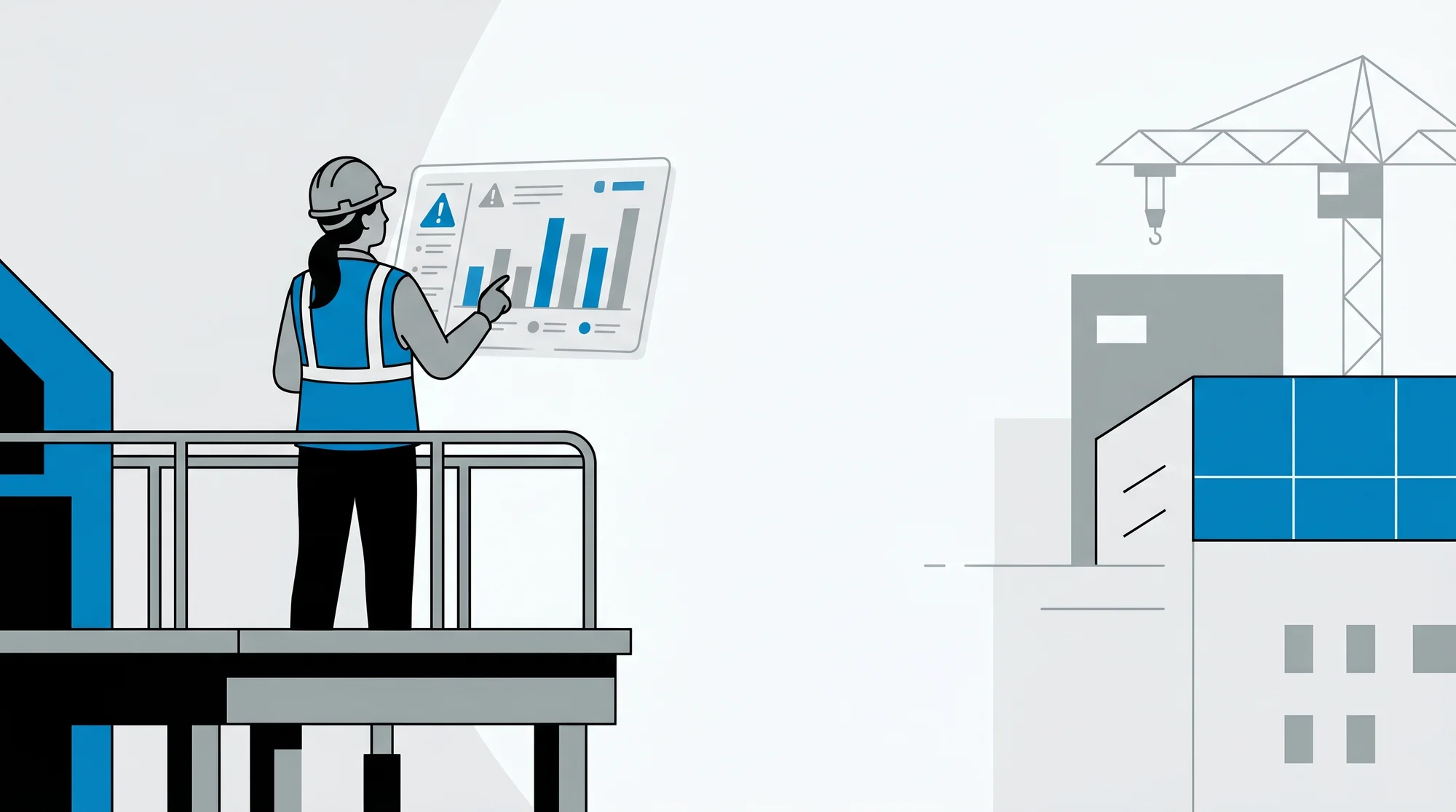
Walk the expo floor at any major safety conference this year and the message is impossible to miss. At ASSP Safety 2026, held in Anaheim in June, hundreds of exhibitors lined up to showcase AI-powered monitoring tools, smart PPE and risk-management platforms. The pitch is seductive: cameras that flag a missing harness in real time, vests that sense heat strain before a worker collapses, algorithms that predict an equipment failure days before it happens.
The numbers behind the hype are real. According to industry analysis compiled by Protex AI, organisations deploying AI safety platforms report up to 30% fewer workplace incidents and 40% faster audit preparation. Computer-vision systems now detect PPE non-compliance, slip-and-fall risks and collision hazards across manufacturing and logistics sites without a human ever watching the monitor.
But here is the uncomfortable truth the brochures skip over.
"Safety technology is not a silver bullet. But when it is paired with strong leadership, worker involvement and evidence-based practices, it can significantly reduce exposure to the hazards most likely to cause serious incidents."
That caution comes from the National Safety Council's Work to Zero initiative, and it cuts to the heart of the matter. A sensor can tell you a worker is fatigued. It cannot decide whether to stop the job. A camera can catch an unsafe act. It cannot coach the crew supervisor on why it happened or how to prevent the next one.
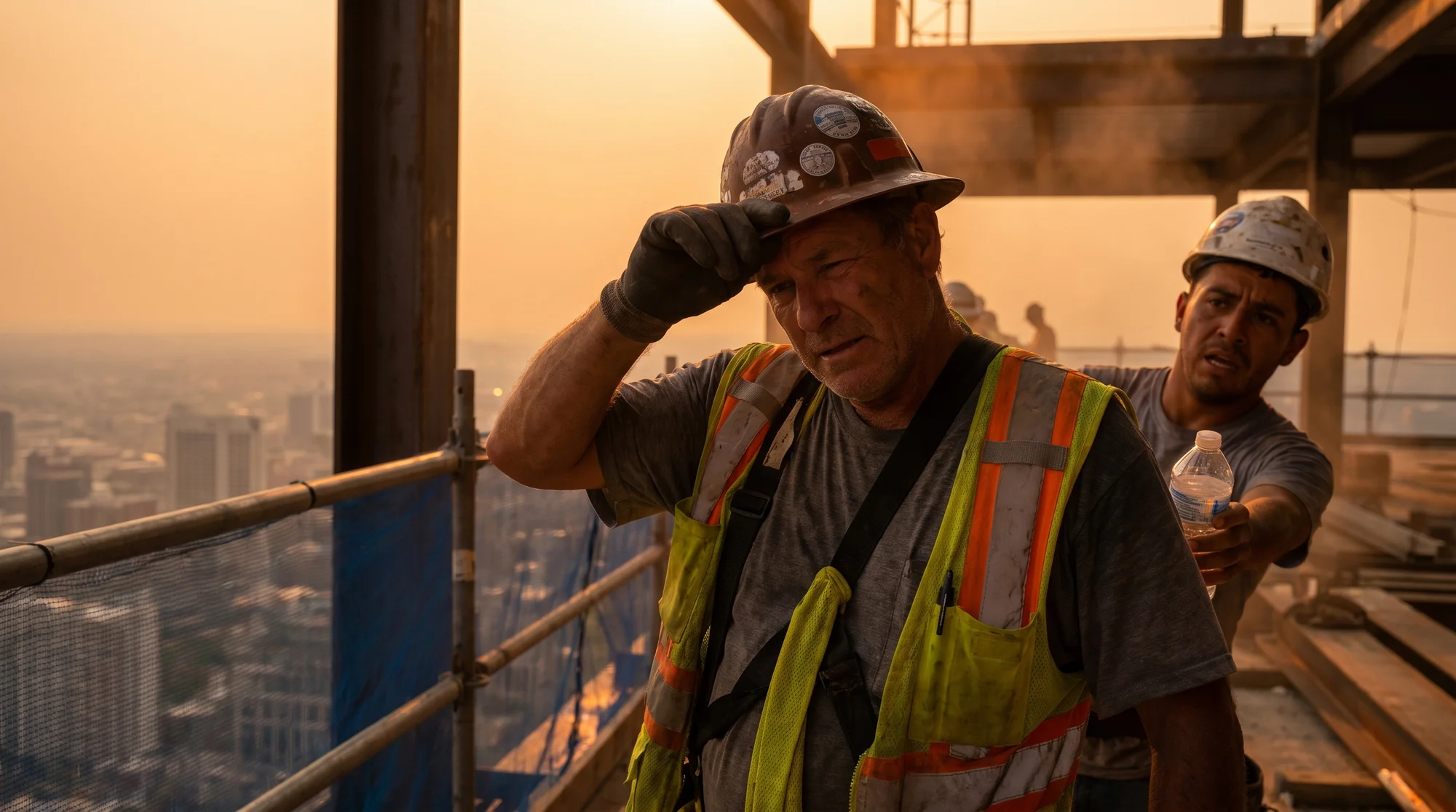
There is also a quieter risk emerging what some safety thinkers are now calling "cognitive surrender": the slow erosion of human judgment when professionals start trusting the dashboard more than their own eyes. The Canadian Centre for Occupational Health and Safety has warned that AI worker-monitoring can itself harm psychological health, increasing the sense of constant surveillance and performance pressure. The tool meant to protect can quietly become a stressor.
So what separates the organisations that get value from AI from those that simply spend money on it? Competence. The ability to interpret a leading indicator, challenge a false alarm, and convert a data point into a decision. As one 2026 trend analysis put it, the real opportunity is governance defining which indicators actually drive action, and refusing to collect data that never translates into a control.
This is the gap QOSH exists to close. Technology will keep advancing whether your workforce is ready or not. The differentiator in 2026 isn't the hardware on the worksite it's the judgment of the people reading it. Smart tools deserve smart professionals. Building that competence is the work that no algorithm can do for you.